
OUR PRODUCT
Sawdust Block & Wood Pellet
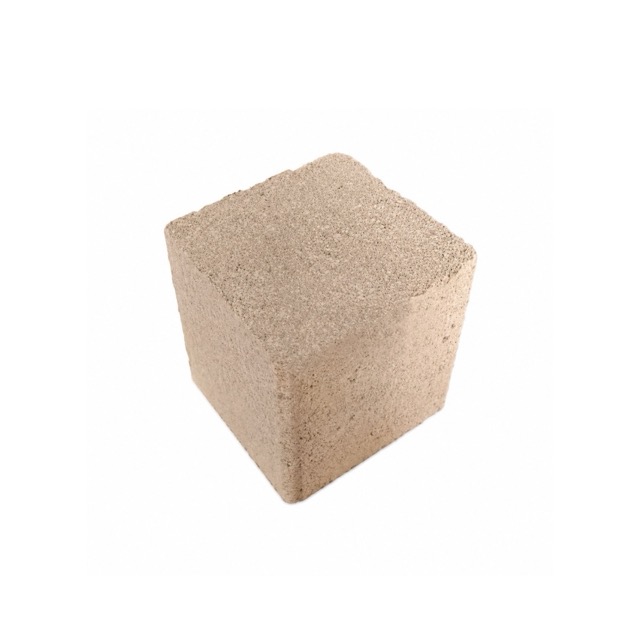
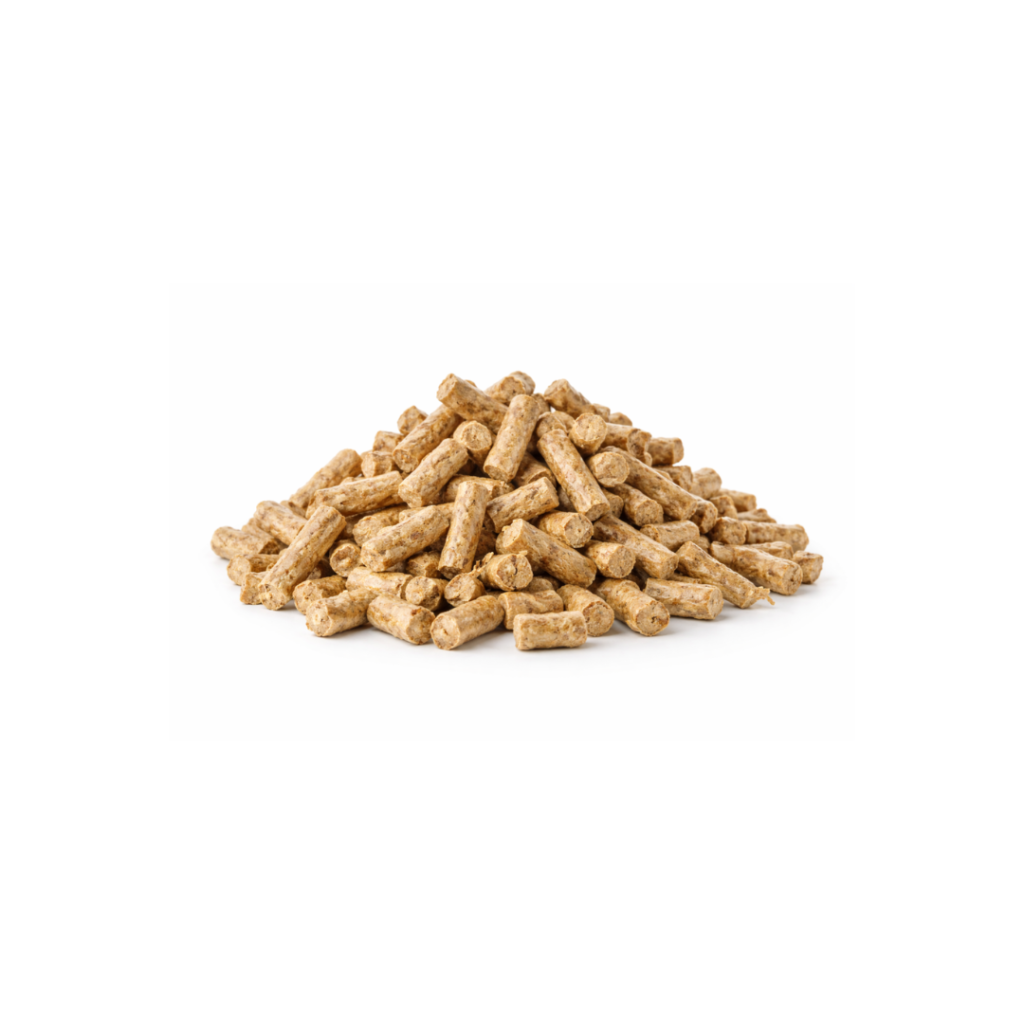
Entering 2025, PT. Industri Agribisnis Indonesia is expanding its product portfolio with Sawdust Blocks and Wood Pellets, utilizing residual raw materials from wood processing and wood chip production. The company has invested in complete production facilities, including a hammer mill, crusher, rotary dryer, rotary screen, conveyors, pellet machine, and press.
Sawdust Blocks, measuring 200 × 400 × 600 mm and packed in 550 kg jumbo bags, are widely used for mushroom cultivation and animal bedding, particularly in Korea and Japan. Wood Pellets, produced in 8 mm × 30 mm cylinders and packed in 900 kg jumbo bags, have a high calorific value of approximately 4,500 kcal, making them an efficient and environmentally friendly alternative to fossil fuels for heating, industrial applications, and power generation.
To support production, the company operates a Sawdust Block production line with an installed capacity of 2 tons/hour (500 tons/month) and a Wood Pellet production line with a capacity of 5 tons/hour (1,000 tons/month), strengthening its position in both domestic and export markets.
With a strong commitment to quality and reliability, we are capable of providing large volumes with long-term supply stability and competitive pricing. Over the years, we have successfully expanded our international market presence and maintain regular shipments to countries such as Japan, South Korea, and Taiwan.
Production Proses
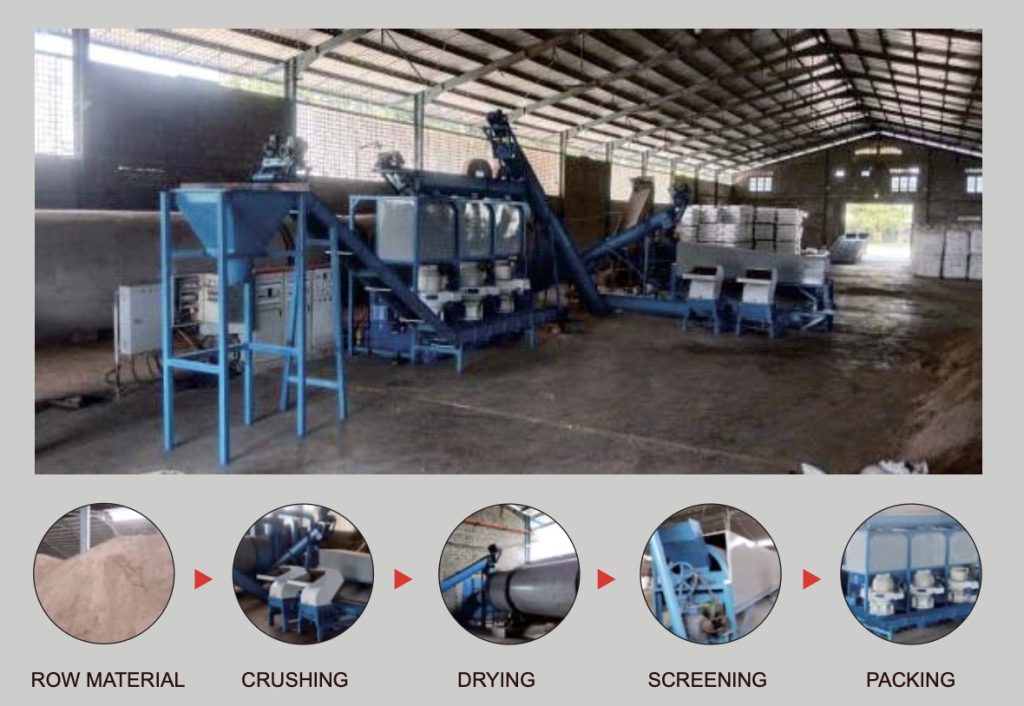
Sawdust Blocks and Wood Pellets are produced from leftover sawdust, starting from the crushing stage using a crusher/hammer mill machine. The material is then cleaned through a filtering and drying process to reduce the water content to 15% using a rotary screen and rotary dryer. After obtaining the required size and water content, it is followed by the pressing process (Sawdust Block) and the pelleting process (Wood Pellet), then continued with packaging into jumbo bags. After completion of production, Sawdust Blocks and Wood Pellets are loaded into containers.
Spesicification Wood Pellet
Particle Wood Pellet Dia. = 8 x 30mm
Particle Sawdust = 2-10 mm
Total Moisture = 10.2 %
Ash Content = 1.7 %
Volatile Matter = 80.3 %
Fixed Carbon = 18 %
Total Sulfur = 0.07 %
Gross Calorie Value = 4,500 Kcal/Kg
Chlorid = <0.01 Kcal/Kg
Bulk Density = 0.766 Gram/ml
Wood Chips
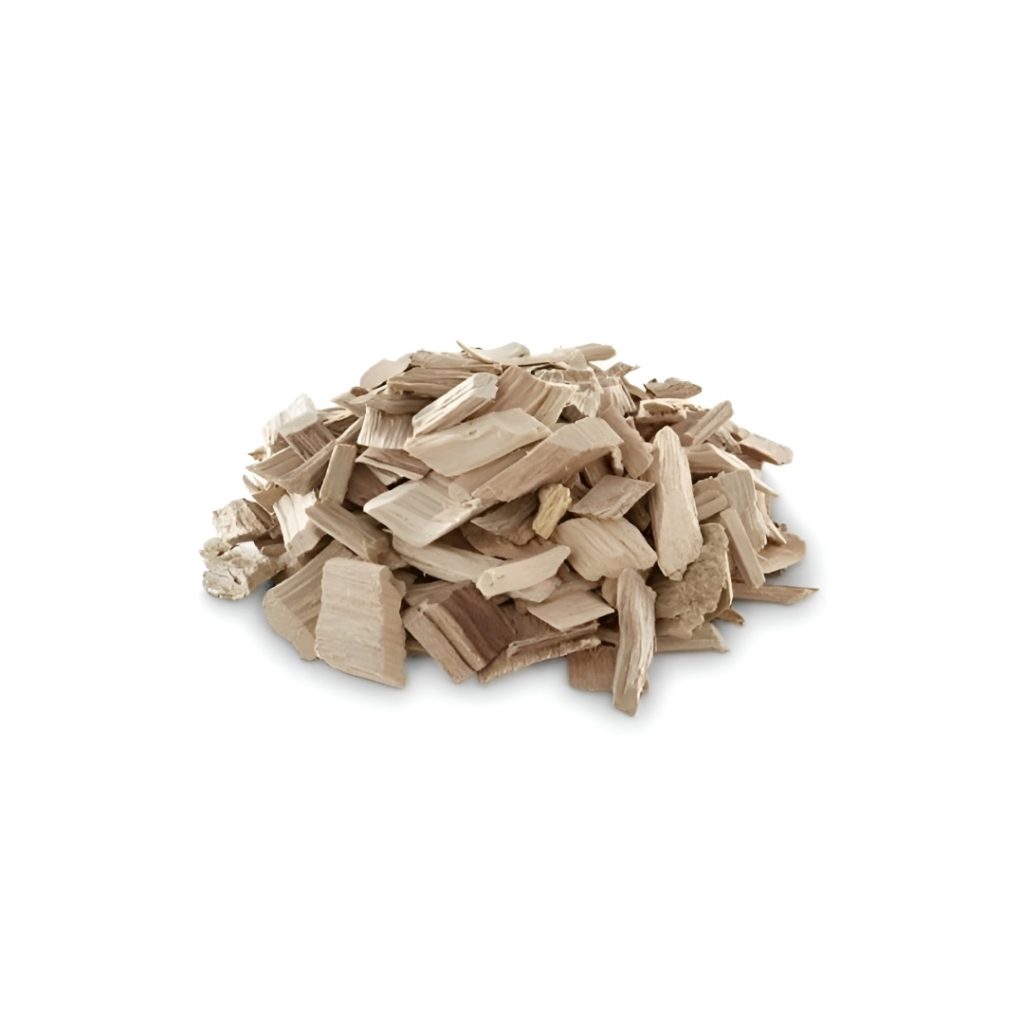
Entering early 2021, PT. Industri Agribisnis Indonesia expanded into the biomass sector by producing Wood Chips. The company established complete production facilities, including sawmills, chippers, rotary screens, rotary dryers, conveyors, air blowers, and supporting equipment.
Wood Chips are processed and packed into jumbo bags or loaded in bulk into containers. They are used as biomass solid fuel for industrial boilers and power generation, as well as raw materials for the pulp, paper, and particle board industries. As an environmentally friendly alternative to fossil fuels, Wood Chips produce minimal non-toxic residue and require wood legality certification (LPVI).
To ensure product quality and long-term supply stability, the company has built three production lines, each with a capacity of 10 tons per hour, resulting in a total installed capacity of 30 tons per hour and a production capacity of 3,000 tons per month.
Production Proses
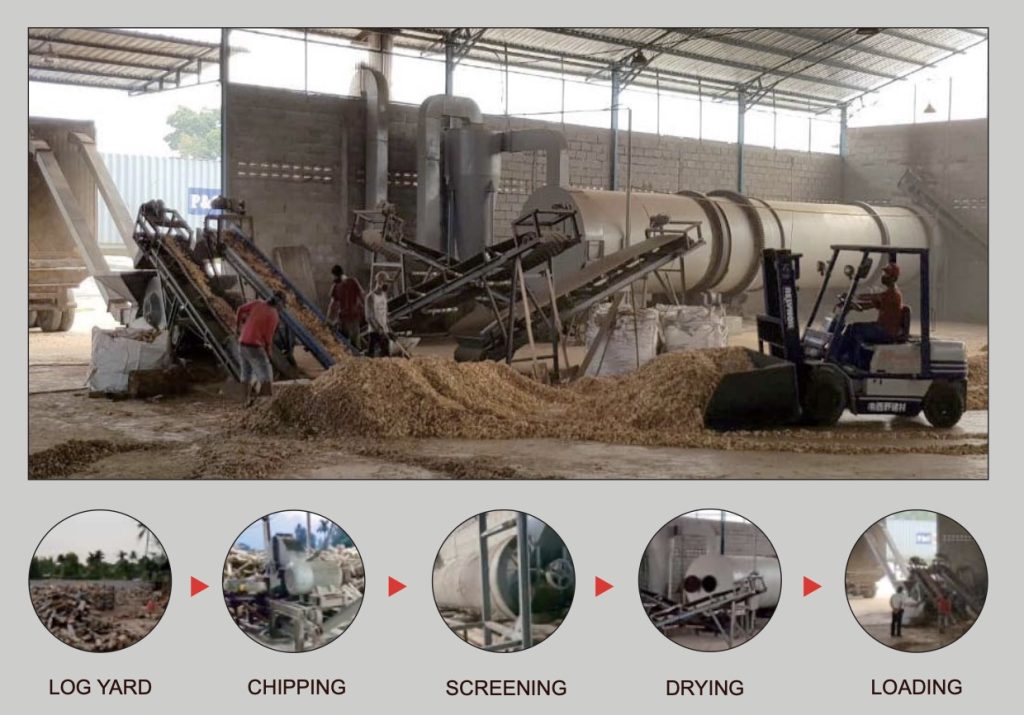
Wood Chips are produced from raw wood materials that are cut into 10–50 mm wood chips using a chipper machine and a sawmill machine. The wood chips are then cleaned through a filtering and drying process to reduce the moisture content to 25% using a rotary screen and rotary dryer. After going through the filtering and drying process, the Wood Chips are placed in a storage warehouse and then loaded into jumbo bags or bulk packaging in containers using an air blower.
Spesicification
Particle Woodchip = 10–50 mm
Total Moisture = 25–30 %
Ash Content = 3 %
Biomass = 97.5 %
Nitrogen = 1.0 %
Fines = 2.5 %
Total Sulfur = 0.05 %
Gross Calorie Value = 3,500 Kcal/Kg
Chlorid = <0.01 Kcal/Kg
Bulk Density = 0.766 Gram/ml
Corn Cob Meal
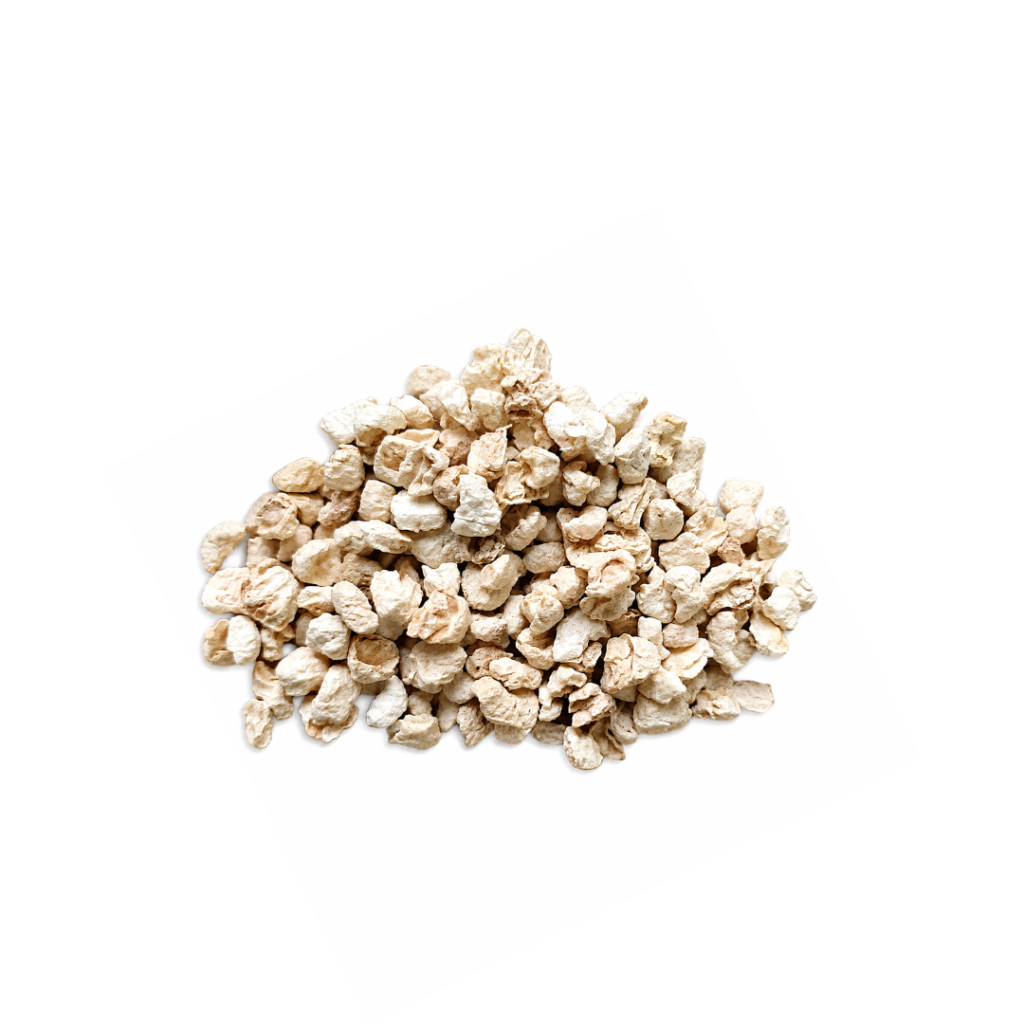
PT. Industri Agribisnis Indonesia, established in early 2019, specializes in the production of Corn Cob Meal (CCM), which is processed from corn cob waste. The company has developed a complete production line and supporting facilities to ensure efficient processing, packaging, and export.
Corn Cob Meal (CCM), PT. INAGRIN’s flagship product, is widely used as animal feed and as a growing medium for mushroom cultivation, with export markets including China, Korea, and Japan. The product supports environmentally friendly policies, helps reduce pollution, and creates employment opportunities for local communities.
To support business growth, the company continues to invest in production machinery, heavy equipment, drying facilities, and office infrastructure. With an installed capacity of 2 tons per hour, PT. INAGRIN is capable of producing 500 tons per month. The company also focuses on expanding its market share and maintaining customer trust by delivering high-quality products with reliable and timely service.
Production Proses
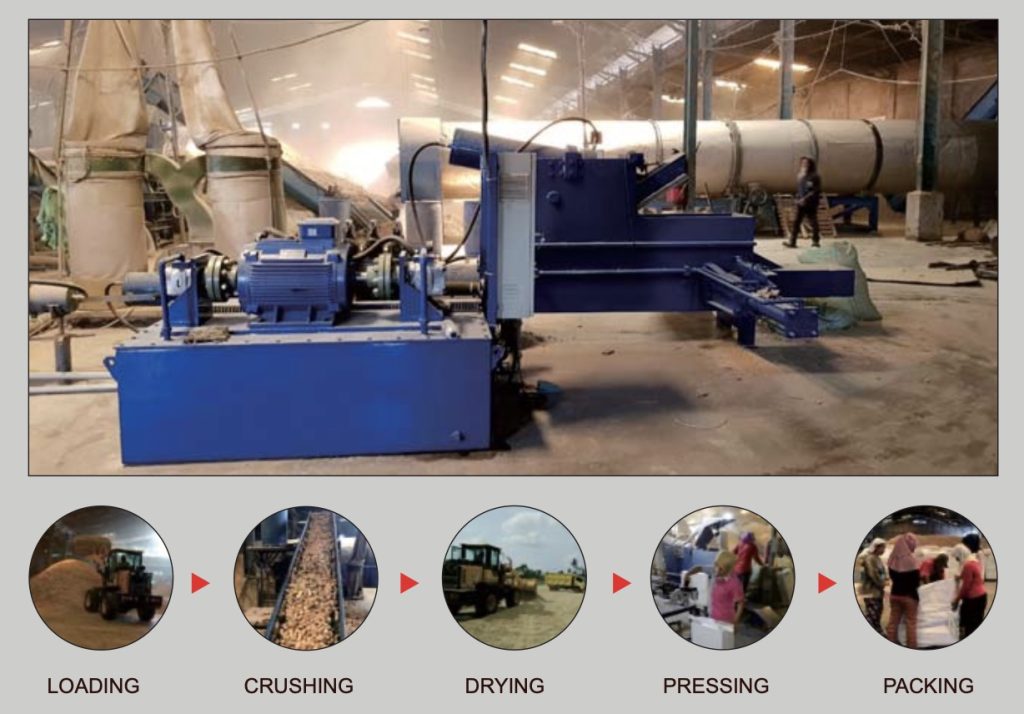
Corn Cob Meal is processed from the remaining corn cobs that are grounded and dried using a crusher, rotary dryer and drying field, after the water content is reduced the raw material is ready to be crushed again according to specifications through a crushing process with the requested size (size 4mm-8mm) and a pressing process according to the standard PP bag packaging @ 25 kgs / bale and @ 30 kgs / bale or non-press @ 30 kgs / bale, then the packaging results are packaged using strapping and put into a jumbo bag before being stuffed into the container.
Spesicification
Particle Size = 4–8 mm
Total Moisture = 12–14 %
Ash Content = <3 %
Oil Content = 0.1 %
Protein = 2.75 %
Carbohidrat = 32 %
Fiber = 35 %
CA = 8 Ppm
Gross Calorie Value = 1500 Kcal/Kg
Coconut Shell Charcoal
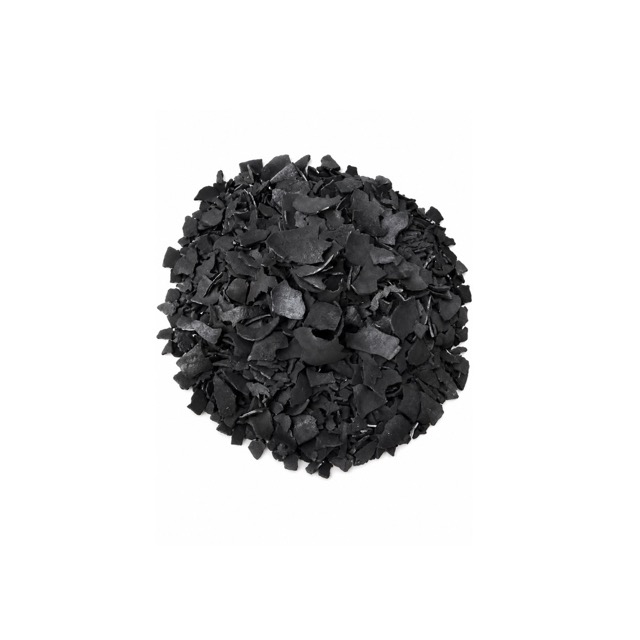
Our coconut shell charcoal is carefully produced by drying high quality coconut shells under the sun to drive out moisture and subsequently burning them uniformly in a low oxygen environment to ensure high calorie content and high percentage of carbon. Due to its high carbon content and hardness, coconut shells are an excellent raw material for manufacturing coconut charcoal briquettes and activated carbon.
Coconut Charcoal is an important product obtained from coconut shell. Shell charcoal is used widely as domestic and industrial fuel. Shell Charcoal is also used to produce activated carbon. Activated Carbon produced from coconut shell has certain specific advantages as the raw material can adsorb certain molecular species. Shell is carbonized by using methods like pit method, drum method, destructive distillation etc.
Coconut Shell charcoal is really good as raw material for activated carbon, and briquette. Otherwise, you can use it immediately for cooking, grilling and BBQ, and enjoy environmental friendly energy. Grilling with coco shell charcoal means you have a sustainable product that is environmentally friendly. A fire does not add chemicals to the coco shell charcoal either, so you get a clean burn. It is more like grilling with real wood rather than charcoal briquettes. There’s no coconut flavor. The smell of the charcoal is rather neutral other than just having a grilling smoke smell with the foods on the grill taking center stage.
Production Proses
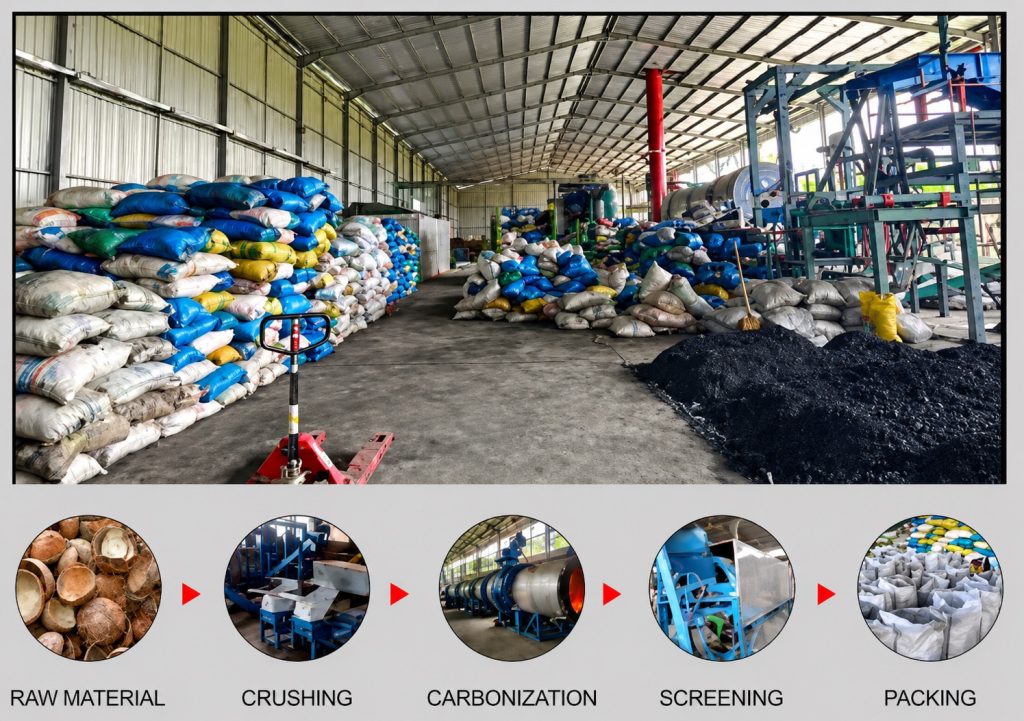
Selected coconut shells are collected and cleaned to remove impurities before undergoing the carbonization process in controlled kilns. The resulting charcoal is then cooled, crushed, screened, and sorted according to the required specifications. After passing quality inspection, the product is packed in export-grade bags and prepared for shipment, ensuring consistent quality and compliance with international standards.
Spesicification
Moisture content : max. 15%
Ash content : max. 3%
Volatile Matter : max. 15%
Fixed Carbon : min. 70%
Site Map
Product
Product
- Jl. Nipkarim No.183, ps 2, Kec. Namorambe, Kabupaten Deli Serdang, Sumatera Utara 20356
- nina.inagrin@yahoo.com
- (62) 813 7079 0065